
28/02/2019
Recorded Temperature: Ranging high 30’s to 40 degrees
Location: Barefoot Beach Reserve, Fort Myers, FL.
Time of Departure: 9:45 am
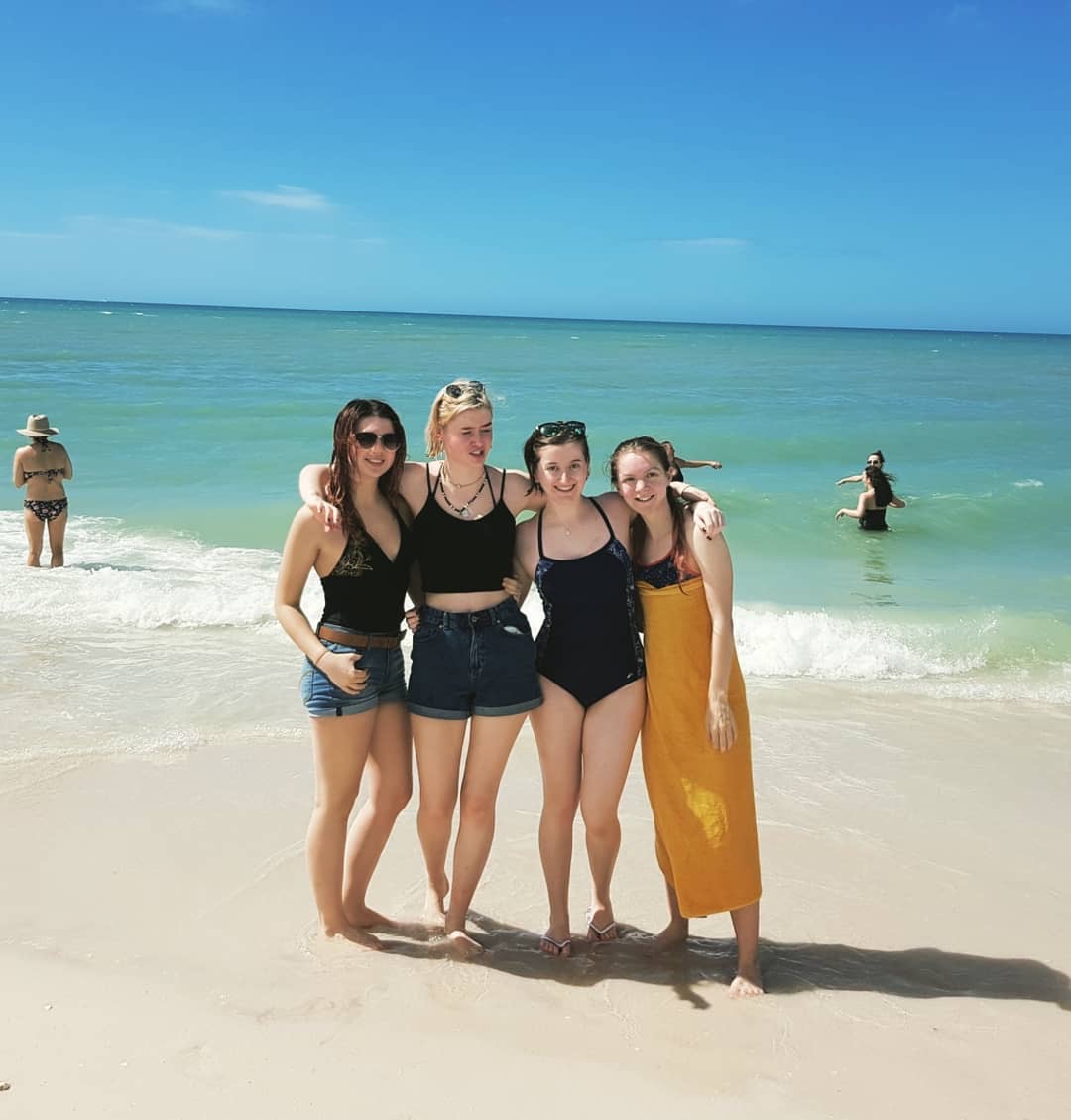
Returning from where we began, we reunited ourselves at a talk at Barefoot Beach Reserve, talking about a variety of different shells, corals, egg cases, seeds and megladon teeth. following this talk we engaged in beach combing ourselves.
Beach combing was first mentioned in Herman Melville’s novel called ‘omoo’, which means wanderer, this was published in 1947, and is about adventures on the southern seas.
Jimmy enthused about his beach combing hobby and emphasised about the time being early hours of the morning for the best chance to collect anything truly beautiful. Early morning was prime due to the low tide and also explained that new moon and after a storm where perfect times to find fascinating shells.
Shells –
Jimmy explained that there are the protective outer case made from calcium carbonate of both molluscs or crustaceans. He educated us on the uses of them, such as turning them into tools or using them as a decorative ashtray in the house. He then spoke about there only really being a total of five major groups of molluscs found in Florida.
Oysters
known for their filter feeding behaviours enabling them the filter a total of 60 gallons of water daily. These oysters are also part of the bivalve family, with the name ‘salt water bivavle mollusc. harvested for food, the production of a pearl and also sometimes their translucent shells.
Bivalves
These have two shells rather than one, and typically resemble that of a heart, hence why sailors bring these back for their loved ones while out at sea. They start off in a produce called an egg-case. These, just like the oysters, are filter feeders, feeding on small crustaceans other microorgansims.
Gastropoda
All species of Gastropoda in Florida are carnivores, expect for one species called the Floridan fighting conch (Strombus alatus). The largest of the conch species is the Floridian Horse conch (Triplofusus giganteus) which is able to grow up to two feet in length with a life expectancy of anywhere up to twenty-five years, but this is all down to the conditions of the environment. Gastropoda is also known as the “stomachs foot” due to only being one shell with a muscular foot like part, which helps to improve both catching and handling the prey.
Cephalopods
These consist of animals such as an octopus, squid or potentially a cuttlefish. An example of this is the rams horn shell (Spirula spirula) which comes from a squid-like cephalopod mollusk, these are very rare these days. This piece helps this species maintain and also neutralise the buoyancy in water.
Once the talk was over and we had returned from beach combing, we headed out on boats for some personal time as a last memory of Florida, where we experience dog beach where Marley and me was recorded and also a final tour through the mangroves. While we where on the boats we identified a Bald Eagle (Haliaeetus leucocephalus) flying over us, and also two dolphins swimming in the wake of other boats just ahead.
Daily Species List and Acknowledged Behaviours –
- Gopher Tortoise grazing and basking
- Brown anoles displaying
- Osprey bringing in fish to the nest
 Florida Wetlands 2019